Creative landscapes since 2018
(828) 699-0157
Guide
How to Water New Sod (and Why It Matters)
Watering is the single biggest factor in whether new sod takes. Here’s how to water through each stage, how to tell if it’s working, and how it ties to your warranty.
By Blue Ridge Landscaping and Hardscaping · Updated November 2026
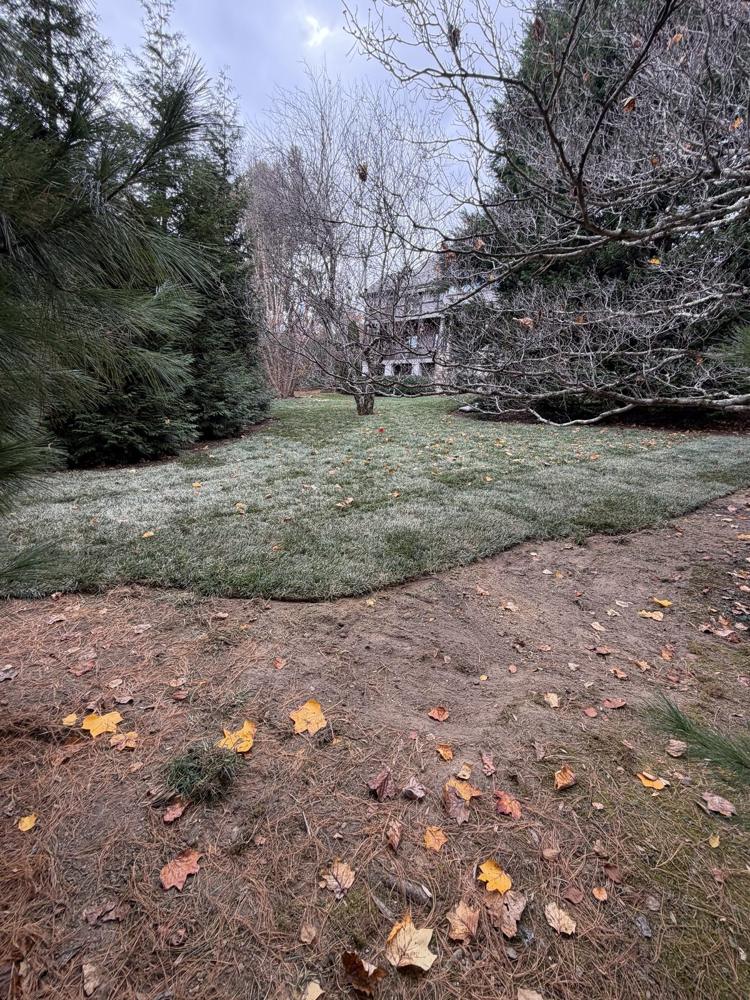
New sod arrives with short roots and almost no connection to the soil. Until those roots grow down into the ground, the sod depends completely on you for water. That’s why watering is the single biggest factor in whether a new lawn takes, and why proper watering is required for our 1-year sod warranty.
How much and how often depends on the time of year, so we’ll give you a schedule when we install. Here’s the general idea.
Right after installation
Give the new sod a thorough soaking the same day it’s installed. You want water to go through the sod and wet the soil underneath, not just the grass.
The first couple of weeks
This is the most important stage. Keep the sod and the soil right under it consistently moist. In hot weather that can mean watering every day, sometimes more than once. In cooler months, it’s much less. Don’t let the sod dry out, even for a day, during this stage.
As it roots in
Once the sod starts rooting, you’ll switch to watering less often but more deeply. That encourages roots to grow down into the soil instead of staying near the surface, which makes for a tougher lawn.
How to tell if it’s working
- Lift a corner. Gently pull up a corner of a piece. If the soil underneath is damp, you’re on track. If it’s dry, water more.
- The tug test. After a few weeks, give a piece a gentle tug. If it resists, it’s rooting in.
Signs of too little water
- Gaps opening up at the seams between pieces
- Grass turning gray-green, then brown
- Edges curling or shrinking
Signs of too much water
- Soil that stays soggy or squishy underfoot
- Standing water on the lawn
- Mushrooms or a sour smell
Summer vs. winter
Summer sod needs the most water because heat and sun dry it out quickly. Winter, fall and spring sod need much less. That’s one reason those seasons are great for new lawns. Read more in our guide on laying sod in winter.
Make it easy with irrigation
If keeping up with hand watering sounds like a lot, an irrigation system can do it for you on a schedule, with zones set up for your lawn and beds.
Our 1-year sod warranty depends on proper watering. We’ll walk you through exactly what your new lawn needs. See our sod installation page or call (828) 699-0157.
Ready to talk about your project?
Veteran owned and operated · BBB accredited · Licensed, insured & bonded · Free estimates